What Is a Web Designer?
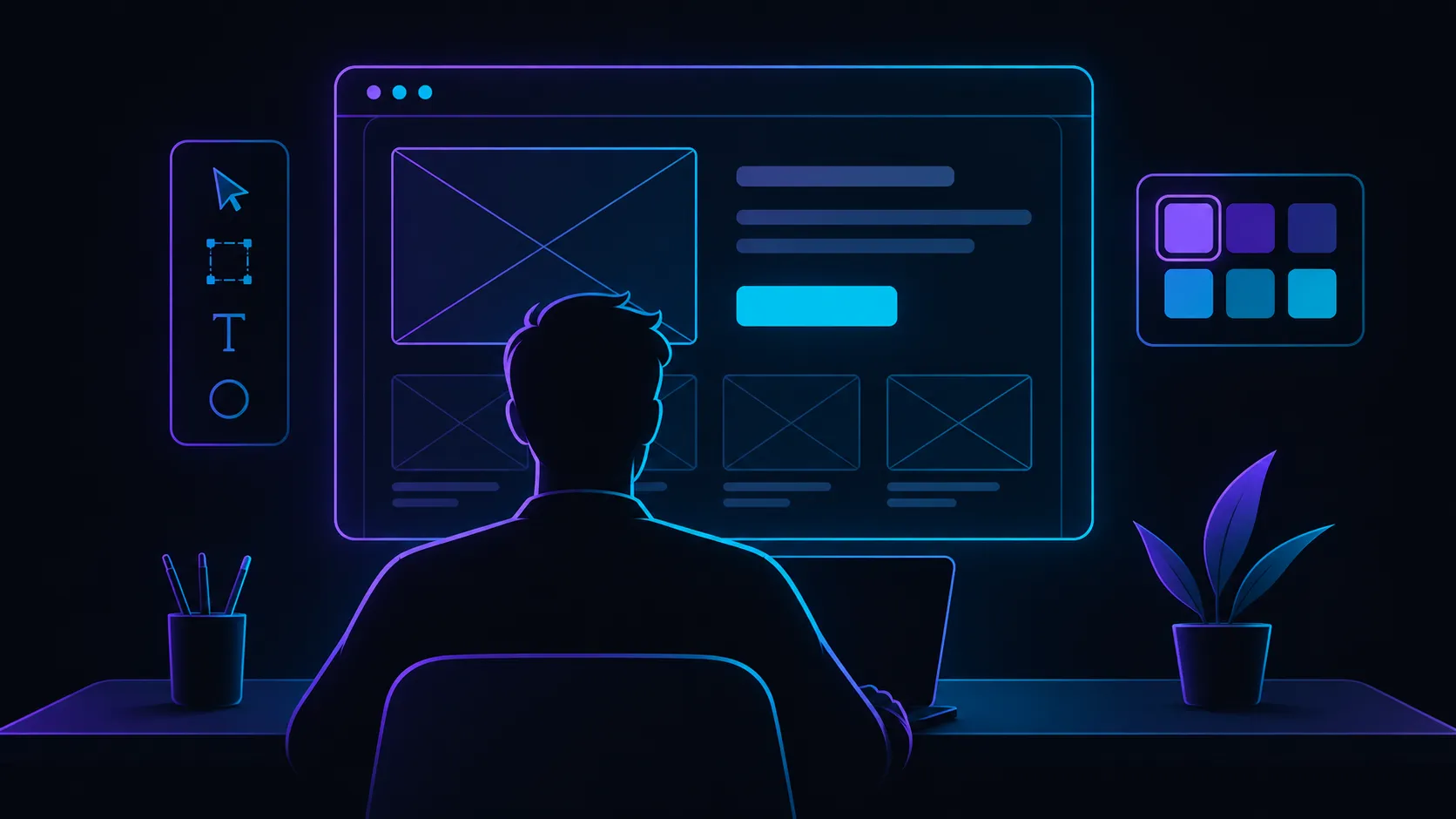
A web designer is someone responsible for building a website — from its visual look to its technical functionality. Depending on how they work, this can cover several areas:
- UI design: the visual look of the site — colors, fonts, layout, images
- UX design: how a user moves through the site and how easy it is to use
- Development: the actual code that turns a design into a working website
- Technical SEO: optimizing the site’s structure so it shows up in Google
Many freelancers (myself included) handle all three together; some agencies split these roles across different people.
Web Designer vs. Programmer — What’s the Difference?
These two titles are sometimes used interchangeably, but there’s an important distinction:
- A web designer focuses on look, user experience, and the overall project — often designing and coding both
- A programmer/developer focuses more on code and technical logic, and doesn’t necessarily handle visual design
If your project needs both (and most websites do), it’s usually better to find someone who has both skill sets — this reduces cost and improves the coordination between design and code.
What Services Does a Web Designer Actually Provide?
Depending on the project, a web designer’s services usually include:
- Initial consultation — understanding the real needs of the business or individual
- Page structure / wireframing — deciding what pages the site needs and what each contains
- Visual (UI) design — final colors, fonts, layout
- Coding and development — turning the design into a real, functional site
- CMS integration — so you can update content yourself without technical knowledge
- Technical SEO and speed optimization
- Post-launch support
How to Choose the Right Web Designer
A few key questions before you start working together:
- Do they have a real portfolio? Look at several live, real projects — not just screenshots.
- What technology do they use? A template (like WordPress) is faster and cheaper; custom code is usually faster to load, more secure, and more unique.
- Do they take technical SEO seriously? A beautiful site that doesn’t show up on Google is effectively useless.
- Is their pricing transparent? Before starting, you should know exactly what’s included in the price and what isn’t.
- Are they available after delivery? A website is a living product, not a file you forget about once it’s handed over.
Conclusion
A web designer isn’t just “someone who makes a nice-looking site” — the role combines visual design, user experience, coding, and technical SEO. Before starting any project, take the time to check a designer’s real portfolio, the technology they use, and how transparent their pricing is — this decision directly affects the quality and lifespan of your site.
Want to see how I work? Check out the web design services page.